
29 September 2025
DAY 1: Anticipatory Leadership Week in Tshwane marks Africa’s bold step into a future accelerated by science and technology
Rapid advancements in science and technology – such as quantum computing, neurotechnologies, or climate engineering – coupled with complex global challenges, are reshaping industries, societies, and even redefining what it means to be human. This transformation calls for anticipatory leadership and innovative partnerships to shape inclusive, resilient, and future-ready solutions.
The Department of Science, Technology and Innovation (DSTI), through the Science Diplomacy Capital for Africa (SDCfA) platform, in partnership with the Geneva Science and Diplomacy Anticipator (GESDA) Foundation, hosted the South Africa Anticipatory Leadership Week from 19 September 2025 to the 22 September, at the CSIR in Tshwane.
This four-day programme, organised as an official side event of the G20 Research and Innovation Ministerial, creates an immersive space to explore the future of leadership in a world accelerated by science and technology. It is designed to equip policymakers and decision-makers with the foresight and skills to anticipate and respond to the societal impact of disruptive technologies.
The rich programme developed with 22 institutions from South Africa and across the continent, brings together over 40 participants from 14 countries to explore anticipatory science diplomacy frameworks and tools, to foresee, prepare for, and respond to technological disruptions ensuring innovation supports human prosperity, security, and well-being.
In his welcoming remarks, Dr Mlungisi Cele, Director-General of the DSTI, stressed the importance of embedding science, diplomacy, and anticipatory leadership in both the South African and global context: “This is a critical time for our country as we host this session, while South Africa is also convening the G20 Research and Innovation Ministerial Meeting under the theme ‘Solidarity, Equality, Sustainability.’”
He highlighted South Africa’s commitment through the White Paper on Science, Technology and Innovation and the Decadal Plan, which place innovation at the centre of government, education, industry, and society. At continental level, he noted, the African Union’s STISA-2034 provides a shared blueprint for positioning science, technology, and innovation (STI) as a driver of sustainable development. “Our partnership with GESDA and the co-creation of this Anticipatory Leadership training highlight the importance of preparing for the future with agility and shared purpose. This week offers us a platform to co-create knowledge, share perspectives, and ensure Africa’s voice is part of global conversations shaping science, innovation, and diplomacy.” He thanked all participants, partners, and teams who have made this convening possible. He closed by saying that “Together, let us anticipate, innovate, and shape a more sustainable, inclusive future”.
Daan du Toit, Deputy Director-General for International Cooperation and Resources at DSTI, further emphasised that the implementation plan of the 2019 White paper, the Decadal Plan, defines the initiatives that government, working with business, academia, civil society and labour, will fund and drive to give effect to the White Paper policy ambition.
Maria Namyalo, Programme Officer, AUDA-NEPAD stated that: “The Science Technology and Innovation Strategy for Africa (STISA) boldly continue the global agenda set by the previous policies including SITSA 2024. STISA 2034 will serve as a driving force for critical sectors including Agriculture, health, ITC, energy and environment, and inclusive industrialisation, use of frontier and emerging technologies as well as human capital and skills development”. She further said that this strategy is a call for action for governments, educational institutions, civil society and private sector to come together with unyielding resolve to harness the power of STI and to unlock the continents full potential.
The Southern Africa Development Community (SADC), a regional community comprising of the 16 member states’ mission is to promote sustainable and equitable economic growth and socio-economic development through efficient, productive systems, deeper cooperation and integration, good governance and durable peace and security to ensure that region emerges as a competitive and effective player in international relations and world economy. Mandry Ntshani, Director: African Multilateral Cooperation, DSTI highlighted the regional perspective on STI initiatives to support the implementation of SADC strategic plans so that the region emerges as a competitive and affective player in international relations and the world economy. She also highlighted opportunities for SADC policy makers to be equipped with the skills needed to navigate a future shaped by scientific and technological background.
The immersive training draws on the GESDA Science Breakthrough Radar® to integrate global foresight with regional priorities. By leveraging a unique ecosystem approach, Anticipatory Leadership Weeks create opportunities to explore how science anticipation can inform and accelerate science diplomacy in addressing both regional and global challenges. Prof Michael Hengartner, President of ETH Board and Chair of GESDA’s Academic Forum shared an overview of the GESDA Science Breakthrough Radar®, capturing the possible scientific advances that are ‘cooking’ in laboratories around the world and are expected to materialise in 5, 10 or 25 years. He remarked that science anticipation is about opening up the future to expand the options for decision-making, not advocating for a specific issue or agenda. GESDA Science Breakthrough Radar® does not present what is desirable for tomorrow – is not a substitute for political action but an input for further discussion and action by the relevant communities.
Dr Marga Gual Soler, Head of Science Diplomacy Capacity Building at GESDA, outlined the guiding questions for the week: what role will Africa play in these transformations? How can governance keep pace with accelerating science amid geopolitical fragmentation? How can we maximise the opportunities and minimise the risks of emerging science? How do we ensure we do not exacerbate, perpetuate or create societal inequalities?
Participants and speakers visited the CSIR Centre for Robotics and Future Production, where Dr Sunveer Matadin led a guided tour. He explained that the centre serves multiple purposes, including skills development (training, upskilling, reskilling, and cross-skilling), acting as an innovation and test-bed platform for de-risking 4IR technologies, supporting technology localisation and transfer to SMMEs to aid re-industrialisation, enabling applied research informed by stakeholder needs, and facilitating the rollout of Learning Factories at TVETs through shared technologies, curricula, and best practices.
South Africa is one of five countries hosting this programme in 2025. Other Anticipatory Leadership Weeks are being held in San José (Costa Rica) with INCAE Business School; Istanbul (Turkey) with Sabancı University; Madrid (Spain) with IE University; and Singapore with the National University of Singapore.
Together, these global sessions share a common goal: to equip decision-makers with the knowledge, tools, and foresight needed to navigate a world transformed by rapid scientific advancements — and to ensure that the benefits of disruptive technologies are harnessed inclusively and sustainably for all.
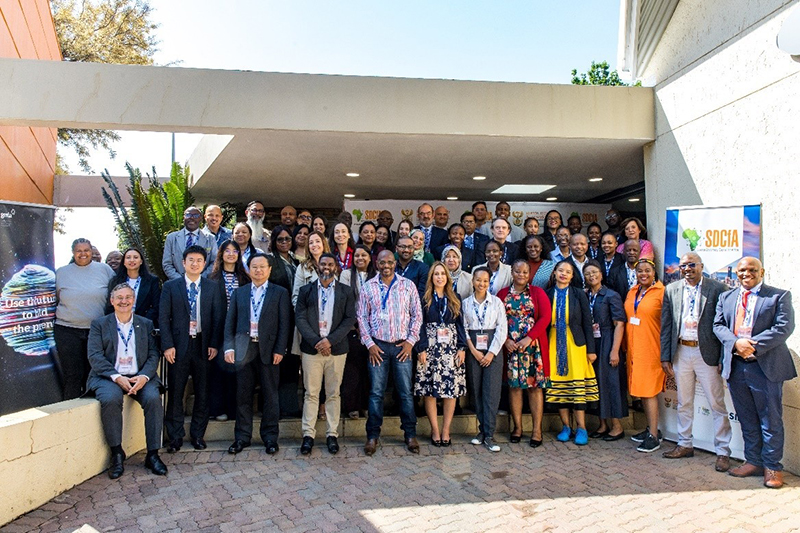
Delegates at South Africa’s Anticipatory Leadership Week explored how science and innovation can shape Africa’s future.
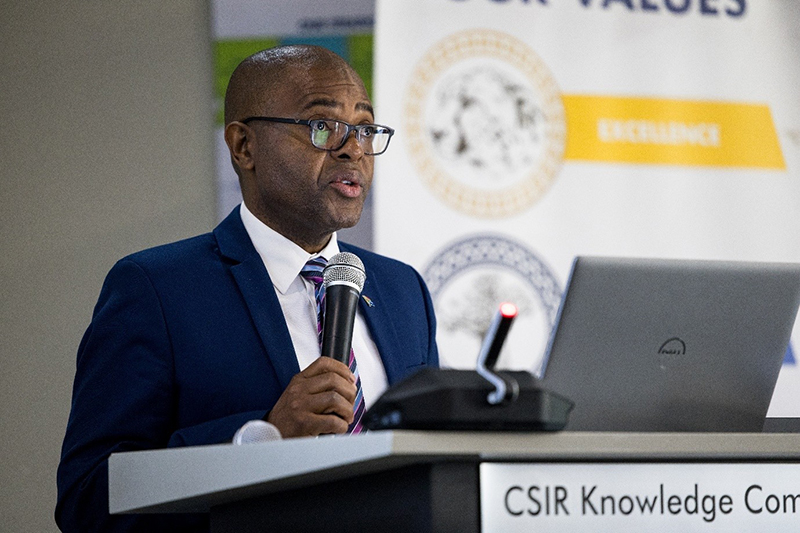
Dr Mlungisi Cele, DSTI Director-General, emphasised the role of science, diplomacy, and anticipatory leadership in shaping Africa’s future.
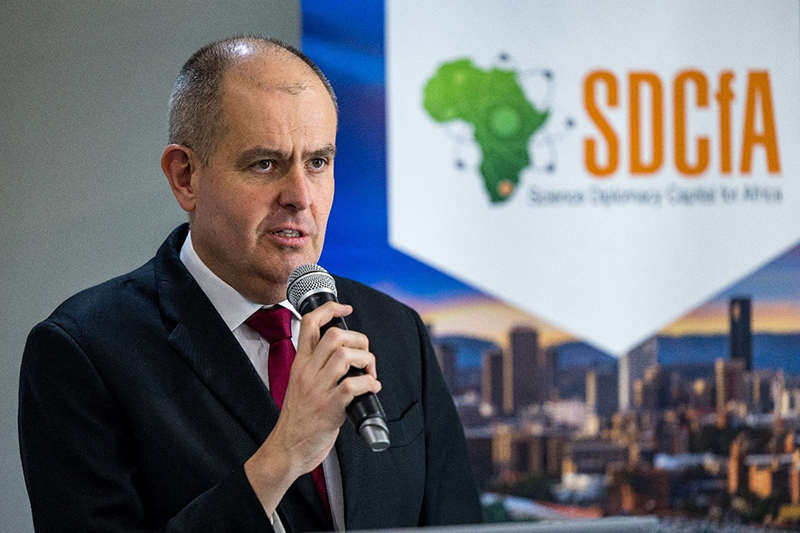
Daan du Toit, DSTI Deputy Director-General, highlighted government initiatives to implement the White Paper and Decadal Plan.
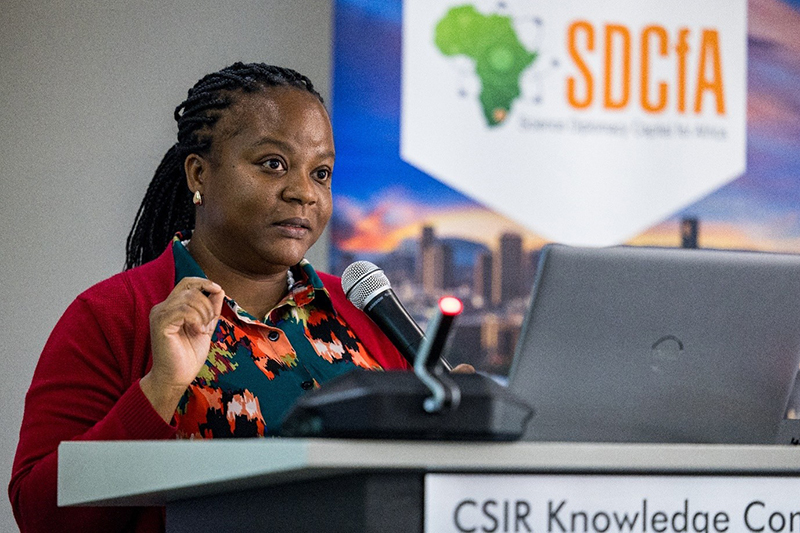
Maria Namyalo, AUDA-NEPAD Programme Officer, underscored STISA 2034 as a catalyst for Africa’s innovation and development.
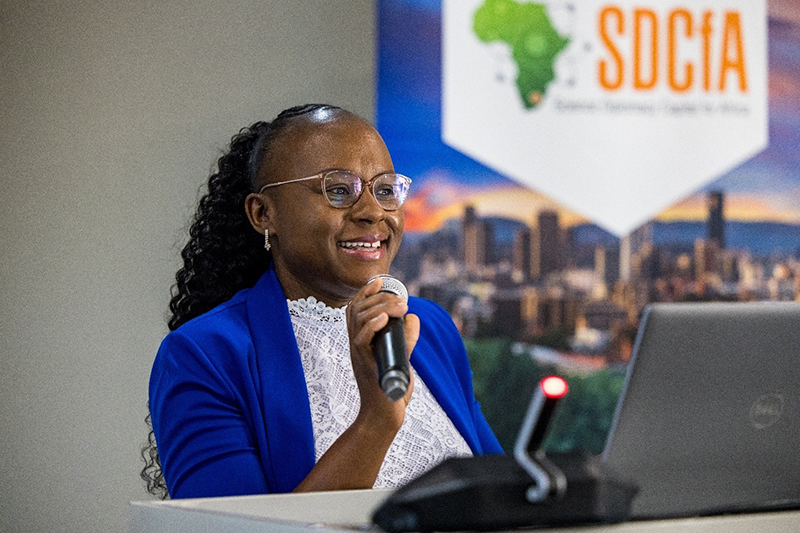
Mandry Ntshani, DSTI Director, highlighted STI initiatives to strengthen SADC’s regional competitiveness and future readiness.
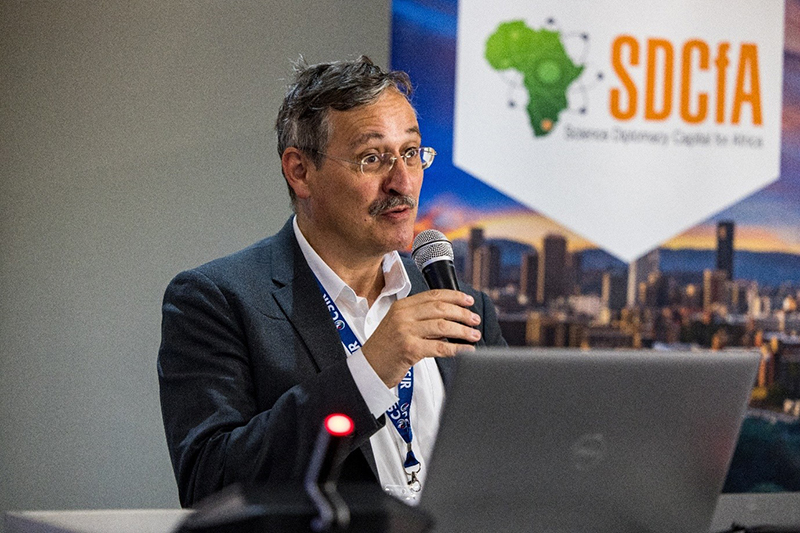
Prof Michael Hengartner, President of ETH Board and Chair of GESDA Academic Forum/Radar, presented the GESDA Science Breakthrough Radar® to explore future scientific advances.
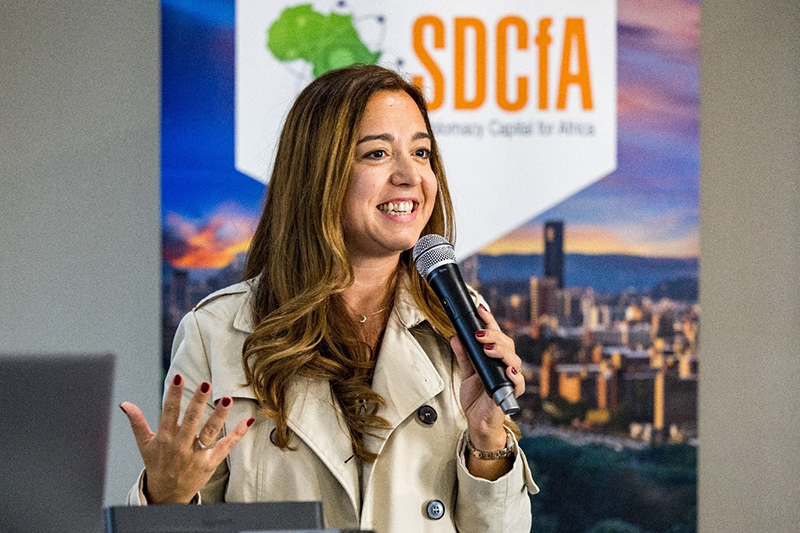
Dr Marga Gual Soler, GESDA Head of Science Diplomacy Capacity Building, outlined key questions guiding Africa’s science and innovation future.